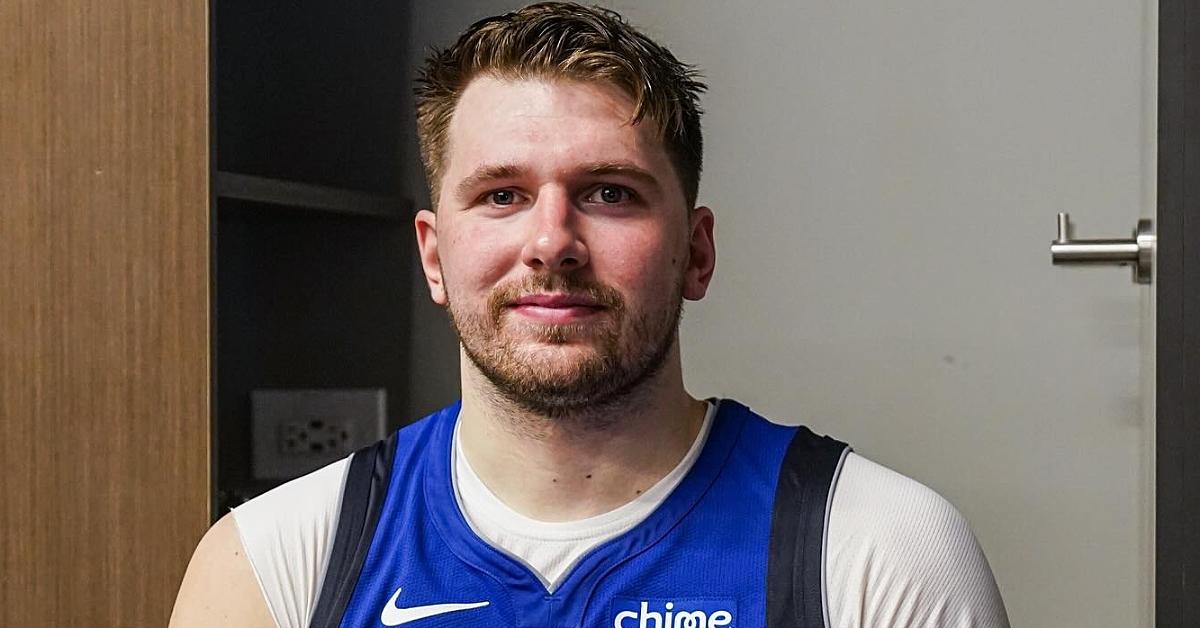
In the high-stakes world of professional sports, where athletes often become global brands, disputes over intellectual property are not uncommon. However, a legal battle that pits a superstar athlete against his own mother is a rare and particularly striking turn of events. This is precisely the situation surrounding Dallas Mavericks sensation, Luka Doncic. The news that Luka Doncic sued his mom, Mirjam Poterbin, for control of his brand name sent ripples across the NBA and beyond, highlighting the complex intersection of family, fame, and multi-million dollar business.
The core of the dispute revolves around the trademarked name "LUKA DONCIC 7," which his mother registered with Luka's permission during his rookie year. As Doncic's career ascended, his desire for full autonomy over his burgeoning brand intensified, leading him to seek control of the intellectual property associated with his name. This article delves into the origins of this unprecedented family feud, the roles played by each party, and the broader implications for athlete brand management.
The Roots of a Standoff: When Family Business Becomes Personal
The journey of a young, talented athlete often involves significant familial support, both emotional and logistical. For Luka Doncic, his mother, Mirjam Poterbin, played an undeniably crucial role in shaping his early basketball career and managing his affairs, especially after his parents split when he was nine years old. It was against this backdrop of close family involvement that the initial arrangement regarding his trademark emerged.
During his rookie year in the NBA in 2018, Luka Doncic granted his mother permission to register and use his name as a trademark. This decision was likely made with the trust and shared interest that often characterize family enterprises. The trademark, including variations like "LUKA DONCIC 7," was intended for use by her company. At the time, such an arrangement might have seemed pragmatic, allowing his mother to handle aspects of his brand while he focused on his burgeoning career on the court.
However, as Luka's star power grew exponentially, so did his understanding of the commercial value and long-term potential of his own brand. The initial familial agreement began to feel restrictive. Sources indicate that Doncic, recognizing the need to consolidate control over his brand identity for future endeavors and personal legacy, formally requested his mother’s company to relinquish the trademark. Unfortunately, this request did not materialize into action, leaving Luka with what he described as a singular path forward: legal action.
This situation underscores a common challenge faced by rising public figures: the transition from informal, family-based management to a more formal, independent business structure. What begins as a gesture of trust and shared ambition can, over time, evolve into a point of contention when personal and professional interests diverge, especially in an industry where personal brand is a monumental asset.
Mirjam Poterbin: A Mother's Role and Entrepreneurial Journey
To fully grasp the context of this legal tussle, it's essential to understand Mirjam Poterbin’s background and her significant contributions to Luka’s life and career. Born on February 28, 1999, Luka Doncic’s early years were shaped by his mother’s dedication. Following his parents' separation when Luka was nine, Mirjam took on much of the responsibility for raising him, providing financial and emotional support as he pursued his basketball dreams in Europe.
Mirjam herself boasts an intriguing past. She was a model in her younger years, even participating in the Miss Slovenia pageant in 1993 at the age of 19. Though she didn't win, her career extended to television, where she hosted the popular show "Wheel of Fortune." These endeavors, along with briefly running a beauty salon with her own mother, provided her with the means to support her son and his ambitions. Her experience in media and entrepreneurship likely played a role in her initial involvement with Luka’s brand and financial affairs during his formative years.
Today, Mirjam Poterbin continues to thrive as an entrepreneur, having reportedly re-entered the modeling business. Her active professional life and previous experience in managing aspects of Luka's career might offer insight into her reluctance to cede control of the trademark. From her perspective, this could be seen as protecting an asset she helped establish or continuing a form of stewardship. However, for a global icon like Luka Doncic, the landscape of brand management requires singular, strategic direction, often leading to unavoidable conflicts when multiple parties lay claim to control.
Why Brand Control Matters to Luka Doncic
For a player of Luka Doncic's caliber, brand control extends far beyond mere vanity; it's a critical component of his long-term financial security, legacy, and ability to effect change. Doncic himself articulated this sentiment clearly in a statement to NBA reporter Mark Stein: "I have a lot to look forward to as I continue to grow as a player and a person and it’s important to me to control my own brand and focus on giving back to my communities." This statement, made around September 2022 after a monumental 47-point performance against France in the EuroCup Basketball, underscored his determined stance.
The significance of brand ownership for modern athletes cannot be overstated. It encompasses endorsement deals, merchandising, future business ventures, and philanthropic efforts. Without clear and singular control, opportunities can be stifled, partnerships complicated, and the athlete's ability to shape their public image and economic future severely constrained. Doncic’s move to trademark "Luka Doncic" for himself was reportedly met with preliminary rejection by the U.S. Patent and Trademark Office, likely due to his mother’s existing registration, further highlighting the immediate impediment to his branding efforts.
Adding to his strategic brand development, Doncic had already unveiled a new logo for his Jordan brand shoes and apparel during the preceding season. This distinctive emblem skillfully combines his initials "LD," his Mavericks jersey number "77," and the letter "S" to represent his home country of Slovenia. Such a sophisticated and personal logo demonstrates a clear vision for his brand identity, a vision that requires full legal control to execute effectively and protect against unauthorized use. For Luka, owning his brand means owning his narrative, his business destiny, and his capacity to give back, making this legal battle a pivotal step in his journey beyond the basketball court. For a deeper dive into the specific legal arguments and what led to this situation, read our article Why Luka Doncic Sued His Mom for Trademark Control.
Navigating the Legal Landscape: The Path Forward
The decision by Luka Doncic to sue his mom, while emotionally charged, represents a necessary legal step in his pursuit of brand autonomy. The legal action takes the form of a petition against Mirjam Poterbin, aiming to secure the rightful ownership of his name as a commercial trademark. Trademark law is designed to protect distinct identities used in commerce, preventing confusion and ensuring that the owner has exclusive rights to use that mark for specific goods or services.
For high-profile individuals, securing and managing intellectual property is paramount. Without clear ownership, athletes risk dilution of their brand, unauthorized exploitation of their image, and significant financial losses. This dispute serves as a stark reminder of the complexities involved when personal relationships intertwine with professional assets. To understand more about Mirjam Poterbin's involvement and perspective, explore Mirjam Poterbin: Inside Luka Doncic's Brand Lawsuit.
Practical Tips for Brand Management and IP Protection
- Formalize Agreements Early: Any business arrangement, especially with family members, should be documented with clear, legally binding contracts from the outset, outlining roles, responsibilities, and intellectual property ownership.
- Periodic Review: As an individual's career evolves, so should their brand strategy. Regularly review and update legal agreements to reflect current goals and market realities.
- Seek Independent Counsel: When family is involved in business, it's crucial for each party to have independent legal representation to ensure their individual interests are protected.
- Understand Trademark Law: Athletes and public figures should educate themselves on the fundamentals of trademark, copyright, and publicity rights to proactively protect their identity.
- Plan for the Future: Brand control isn't just for current endorsements; it impacts post-career opportunities, legacy, and philanthropic endeavors. A long-term vision is essential.
While the specifics of the legal proceedings remain private, the case highlights the critical need for athletes to establish clear, professional structures around their brand from day one, minimizing potential conflicts down the road. The outcome of this dispute will undoubtedly set precedents and offer valuable lessons for other public figures managing family-involved businesses.
The legal battle in which Luka Doncic sued his mom is a poignant illustration of the challenges that can arise when personal relationships intersect with the immense commercial value of a superstar's brand. For Luka Doncic, this fight is not merely about a name; it is about establishing autonomy over his identity, his career, and his future impact on the world. As he continues to dominate on the court, his determination to control his narrative off the court speaks volumes about the modern athlete's evolving relationship with fame, business, and personal legacy. This unusual family feud underscores the vital importance of clear legal structures in managing a personal brand that transcends borders and generates global influence.