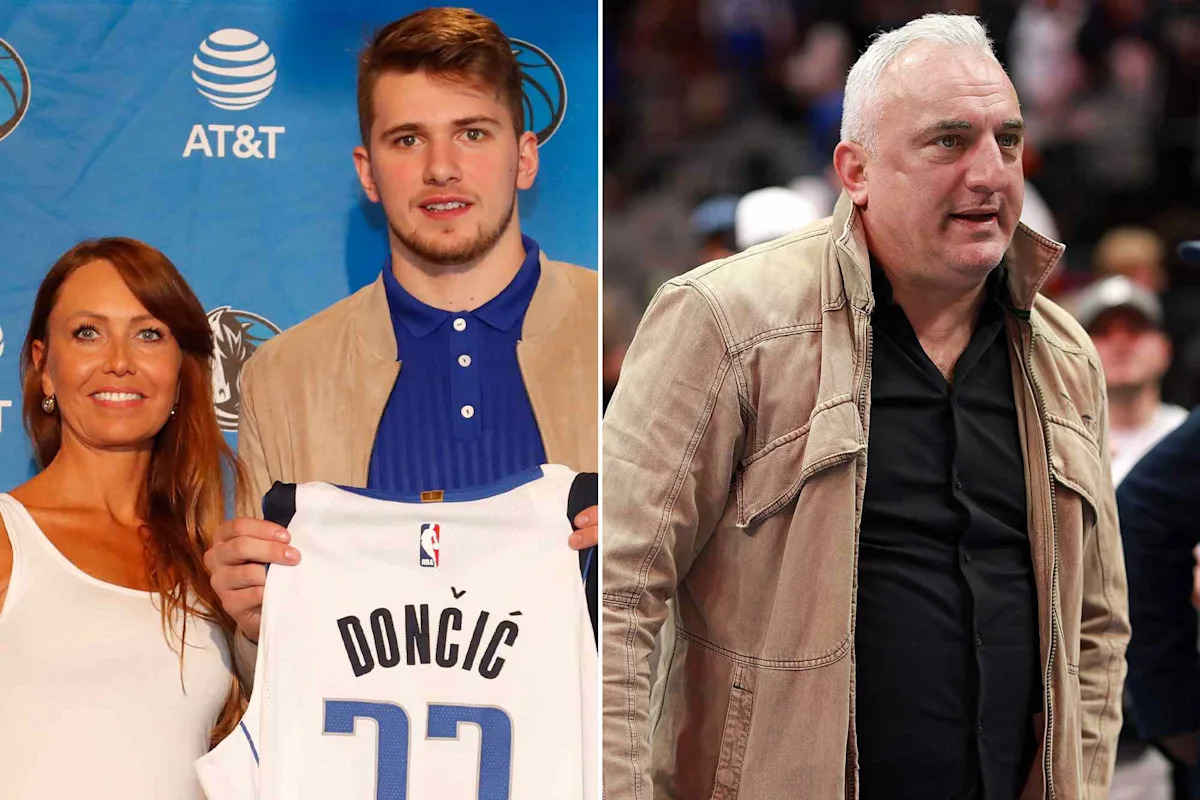
Mirjam Poterbin: The Brand Lawsuit Behind Luka Doncic's Quest for Autonomy
In the high-stakes world of professional sports, where athletic prowess often intersects with massive commercial opportunities, legal disputes are not uncommon. However, a particular type of conflict rarely makes headlines: a legal battle between a superstar athlete and their own parent. This is precisely the unusual situation that has captivated the NBA community, as Dallas Mavericks sensation Luka Doncic initiated legal action against his mother, Mirjam Poterbin. The core of the dispute? Control over his own name and brand. The saga of Why Luka Doncic Sued His Mom for Trademark Control has shed light on the complex dynamics of family, fame, and the invaluable asset that is a personal brand.
The Genesis of a Trademark Tussle: Luka Doncic's Early Career & Family Support
To understand the current legal standoff, one must look back at the origins of Luka Doncic's meteoric rise and the pivotal role his mother, Mirjam Poterbin, played in his early life and career. Born on February 28, 1999, Doncic's parents separated when he was just nine years old, leaving Mirjam with significant responsibility for raising him. Poterbin herself boasts an intriguing background; a former model, she participated in the Miss Slovenia pageant in 1993 at the age of 19 and later hosted the popular game show "Wheel of Fortune" in her home country. Her modeling and television career provided the means to support her son, and for a period, she also co-managed a beauty salon with her own mother.
From a very young age, Luka was a basketball prodigy, achieving fame in Slovenia and across Europe while playing for Real Madrid. During these formative years, with Luka focused intensely on his athletic development, Mirjam Poterbin took on the crucial role of managing his financial and business affairs. It was during his rookie year in the NBA, in 2018, that Doncic gave his mother permission to register and use his name as a trademark. This arrangement, including the registration of "LUKA DONCIC 7" for her company, was seemingly made with good intentions, allowing her to facilitate business opportunities as her son's career began to blossom. This early reliance on family members for business management is a common narrative for young athletes worldwide, often born out of trust and necessity before a professional team of advisors is fully in place. However, as careers evolve, such informal arrangements can sometimes lead to unforeseen complications, especially when intellectual property rights are involved.
Why Luka Doncic Sued His Mom: A Quest for Brand Autonomy
As Luka Doncic ascended to superstardom in the NBA, becoming one of the league's most recognizable and marketable figures, his perspective on his personal brand began to shift. The global nature of his fame brought with it massive endorsement deals, merchandise opportunities, and a growing desire for strategic control over his image and future endeavors. This professional growth led to a pivotal moment when Doncic unveiled a new, personalized logo for his Jordan Brand shoes and apparel. This distinctive mark incorporated his initials (LD), his Mavericks jersey number (77), and the letter "S" representing his home country of Slovenia. It was a clear statement of his evolving brand identity.
Following this, Doncic sought to register "Luka Doncic" as his personal trademark. However, his application was met with a preliminary rejection from the U.S. Patent and Trademark Office. The reason? The existence of the previously registered "LUKA DONCIC 7" trademark, held by his mother's company. This roadblock highlighted the legal reality that despite his global recognition, Doncic did not have full legal control over his own name for branding purposes. NBA reporter Mark Stein indicated that Doncic subsequently communicated in writing with his mother's company, requesting that the trademark be relinquished. When this request was not fulfilled, Doncic saw the lawsuit as his "only resort" to reclaim control.
In a statement shared with Mark Stein, Doncic articulated his motivations clearly: "I have a lot to look forward to as I continue to grow as a player and a person and it’s important to me to control my own brand and focus on giving back to my communities.” This statement underscores the modern athlete's understanding that their brand is more than just a name; it's a platform for philanthropy, business ventures, and personal legacy. For a player of Doncic's caliber and global reach, full command of his intellectual property is vital for long-term strategic planning and impact. The legal action, filed around September 2022 following a dominant performance against France in EuroCup Basketball, signaled a definitive move to assert this control. Read more about Luka Doncic's Fight to Own His Brand: A Family Feud and its broader implications.
Mirjam Poterbin's Perspective and the Broader Implications
While the focus has largely been on Luka Doncic's battle for brand control, it's crucial to acknowledge the complex human element of this dispute. Mirjam Poterbin's significant contributions to her son's early life and career are undeniable. She was a single mother who made sacrifices, managed his affairs, and supported his dreams, playing a foundational role in shaping the superstar he is today. From her perspective, her ownership of the trademark might stem from an initial agreement, a perceived ongoing entitlement, or perhaps even a misunderstanding of the long-term implications of intellectual property ownership in the rapidly evolving landscape of celebrity branding. Legal experts suggest that even with initial consent, changing circumstances can lead to disputes over assets, particularly when the value of those assets skyrockets.
This case highlights the critical importance of clear, legally sound agreements from the outset, especially when family members are involved in an athlete's business affairs. What begins as an act of trust and familial support can, without proper foresight and legal structuring, evolve into a contentious legal battle. For public figures, intellectual property—their name, likeness, and associated trademarks—is not merely a legal detail; it is a fundamental pillar of their economic and social influence. Ensuring clear ownership and control is paramount for managing endorsements, developing personal brands, and securing future opportunities.
Navigating the Future: Brand Control in the Modern Athlete Era
The situation involving Luka Doncic and Mirjam Poterbin serves as a poignant reminder of the evolving landscape of athlete branding. Today's elite athletes are not just players; they are global brands, entrepreneurs, and philanthropists. Taking charge of their personal brand is no longer a luxury but a necessity for maximizing their impact and securing their financial future beyond their playing days. The "Luka Doncic Sued By Mom" headline, while sensational, underscores a serious business consideration for every professional athlete.
- Importance of Formal Agreements: For young athletes and their families, establishing clear, legally binding agreements for all business and intellectual property matters from the very beginning is crucial. These should outline roles, responsibilities, ownership, and exit strategies.
- Regular Review and Adaptation: As an athlete's career progresses and their market value changes, brand strategies and intellectual property arrangements should be regularly reviewed and updated by independent legal and financial advisors, not solely by family members.
- Independent Counsel: Both the athlete and any family members involved in their business should seek independent legal counsel to ensure that all parties fully understand their rights, obligations, and the implications of any agreements.
- Strategic Brand Planning: Athletes should proactively work with branding experts to define their personal brand, develop logos, and secure trademarks that align with their long-term vision, ensuring they have full control over their most valuable asset—their name.
This case is a cautionary tale, emphasizing that while family support is invaluable, the business of a global superstar requires professional boundaries and clear legal frameworks to prevent personal relationships from becoming entangled in complex corporate disputes. Ultimately, Luka Doncic's pursuit of trademark control reflects a broader trend among athletes to fully own and leverage their brand for both commercial success and societal impact.
The legal dispute between Luka Doncic and his mother, Mirjam Poterbin, is a stark illustration of the challenges that can arise when personal relationships intersect with the immense commercial value of a global sports brand. While deeply personal and emotionally charged, Doncic's decision to sue his mother highlights his unwavering commitment to control his own destiny and brand narrative. For the Dallas Mavericks star, controlling his name and image is not just about financial gain; it's about building a legacy and giving back to his community on his own terms. The "Luka Doncic Sued By Mom" saga will undoubtedly be referenced for years to come as a significant example in the evolving dialogue around athlete branding and intellectual property ownership.